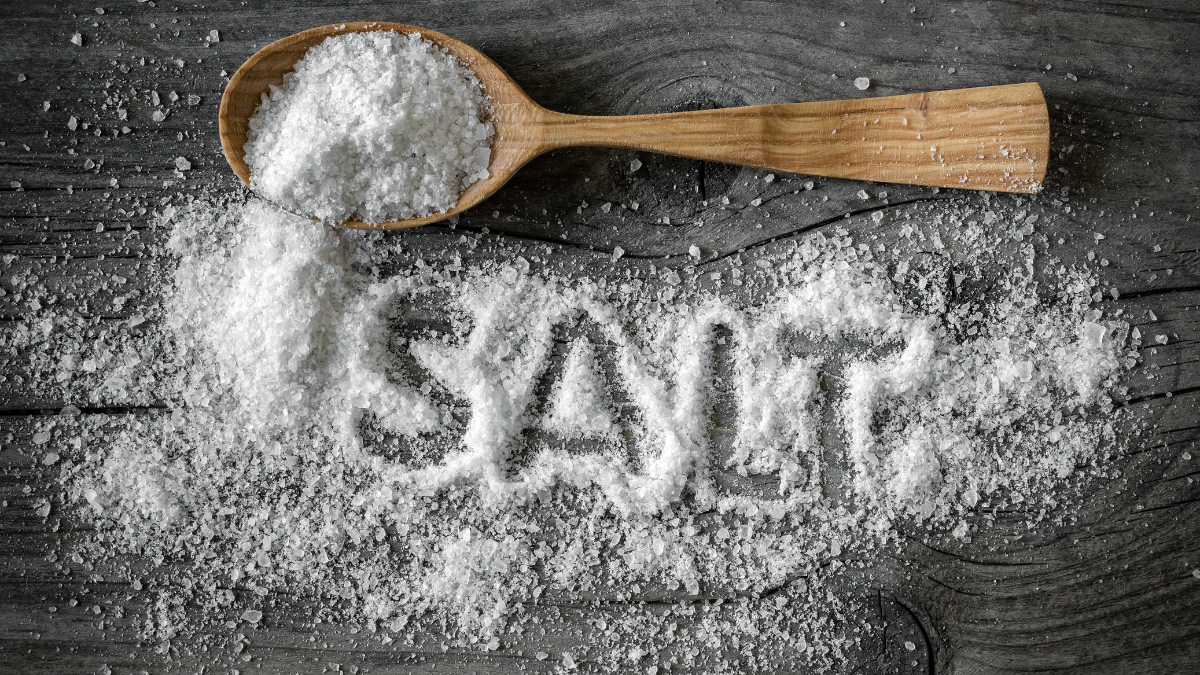
Salt has been a staple of human diets for centuries, but its impact on health remains a topic of debate. While salt is essential for bodily functions like fluid balance and nerve signaling, consuming too much can have serious consequences for your heart health. So, is salt your friend or foe? Let’s break it down.
The Role of Salt in Your Body
Salt contains sodium, a mineral that plays a crucial role in maintaining fluid balance, muscle function, and nerve transmission. However, your body only needs a small amount of sodium to function properly.
How Too Much Salt Affects Heart Health
Excess sodium can lead to:
How Much Salt Is Too Much?
The American Heart Association recommends consuming no more than 2,300 milligrams of sodium per day, with an ideal limit of 1,500 milligrams for most adults. For perspective, just one teaspoon of salt contains about 2,300 milligrams of sodium.
Tips for Reducing Sodium Intake
When Salt Is Your Friend
In small amounts, salt is vital for hydration, muscle function, and preventing electrolyte imbalances. If you’re an athlete or work in hot environments, you may need more sodium to replace what’s lost through sweat.
The Bottom Line
Salt is neither entirely a friend nor a foe. The key is balance. By monitoring your intake and making mindful choices, you can enjoy the benefits of salt without putting your heart at risk.
FAQs About Salt and Heart Health
Q: What are the signs of too much sodium in my diet?Building Healthy Habits That Last - Finishing Spring Strong As April comes to a close,…
Spring Energy and Metabolism - Staying Active and Feeling Your Best As spring continues and…
Spring Into Wellness - Refreshing Your Routine for the New Season As the seasons change and spring…
Hydration and Recovery - Why Electrolytes Matter for Energy and Performance When people think about…
Why Greens and Reds Supplements Are a Simple Way to Support Daily Nutrition Maintaining a balanced…
Collagen and Connective Tissue - Why It Matters for Skin, Joints, and Recovery When people…
This website uses cookies.